


Product Design Engineer, AI
I design the product, then build the agents that check it.
I've worked in product design for seven years. At Viven.ai I'm the only designer: I design every screen and ship the front end, and agents and CI run the reviews. I want to build the same workflow for Razorpay's 60 designers.





By the numbers
Claude tokens in 41 days. 75% of them ran inside subagents I launched.
commits in the last year with a commit on 314 days
+916 more on Viven's codebaseusers on my Figma plugin open source, at figmaspecs.dev
~80k → ~20k tokens per handoffTokens come from ccusage and transcript logs, Sep 12 to Oct 22 2026. Older logs get pruned, so the real total is higher. Commits come from local git on my personal account, deduped. Viven's work account is counted separately.
The match
Your job post lists five asks. Here's my proof for each.
Top percentile in AI and design
About 18B Claude tokens in 41 days
1,931 subagent runs and 8,859 typed prompts since March.
A designer who builds
2,114 commits in the last year
Seven years of design work, plus 916 commits to Viven's codebase from my work account.
Systems thinker
I turn rules into gates
At Viven, CI enforces the design system. In Kamply, hooks block off-brand work before anyone sees it.
Raise the floor for 60 designers
Tools other designers use
The NAZCA design system at Observe.AI brought 40% more reuse and 25% fewer UI bugs. Internal Figma plugins saved about 5 hours a week, and my open-source plugin has 3k+ users.
Clear communicator
A 25-page AI Designer Playbook
I also run a designer community of 1,500+ people and was in LinkedIn's Creator Accelerator in 2022.
My path
Seven years, from government portals to AI products.
2019–20
IIIT-Bangalore
Research and design for two government projects: e-Manas for Karnataka and the COVID-19 migrants portal for Jharkhand.
2020–21
ProCreator
UI/UX designer at a design agency, shipping client work every week.
2021–22
Flash Tech
Built and led 2 teams. 4 launches for 10M+ customers across the UAE, India and the Middle East.
2022–23
Bureau
First designer. I designed the no-code KYC workflow builder; product-led growth helped add $100k MRR.
2023–25
Observe.AI
Senior Product Designer on AI analytics for contact centers and on the NAZCA design system.
2026 → now
Viven.ai
Founding Design Engineer and the only designer.
Brands I've designed for













Viven.ai · Jan 2026 to now
The only designer, with agents running the reviews.
Viven builds AI digital twins of employees. I joined in January as Founding Design Engineer. Below is how one designer ships features here, and what checks the work.
commits I've pushed to Viven's codebase on my work account
How a feature ships
Eight steps. People make three decisions; agents and CI run the checks.
Frame it
Who it's for, what breaks today, what done looks like.
Grill the plan
Asks every open question before code. A hook runs it on each prompt.
Argue back
Makes the strongest case against my direction.
Keep or reverse
I read the argument and decide.
Build in code
Production front end on the system's tokens and components.
Enforce the system
Off-token color or spacing, wrong component, contrast, focus.
Pixel-diff
Screens against the reference. Another agent tries to break the build.
Verify, then ship
Every screen state opens from a URL in the live preview.
A failed check sends the work back to the build step. Razorpay's job post asks for an agentic design workflow; this one already runs for one designer.
Seven checks I built
Each one does a job a design team member would.
The prompts live in Viven's private repo.
Reversals
times agents changed my mind
That's across about 250 chats. An agent arguing the other side started 6 of the 9.
6 started by an agent · 3 other
Speed
Features estimated in weeks ship in days.
Handoff is a live preview, so engineers check the coded screens themselves.
External Collaborators
to design and ship sharing digital twins across companies, including permissions, privacy limits and consent screens.
What I own: surfaces
- Every screen, enterprise and self-serve
- External Collaborators, for sharing across companies
- The hard AI moments: privacy, sources, refusals, confidence, streaming
What I own: systems
- The design system in code, enforced in CI
- A live preview where every screen state opens from a URL
- Pixel-diff of screens against the reference
How I work, measured
I direct agents more than I type.
Typed prompts per month
8,859 since Mar 27, on 184 of 210 days
Inside subagents
of my tokens. I set the direction and review what comes back.
Model mix, by output
Top skills, mine and public · 778 runs
GitHub · github.com/antivirusakash
I commit code most days
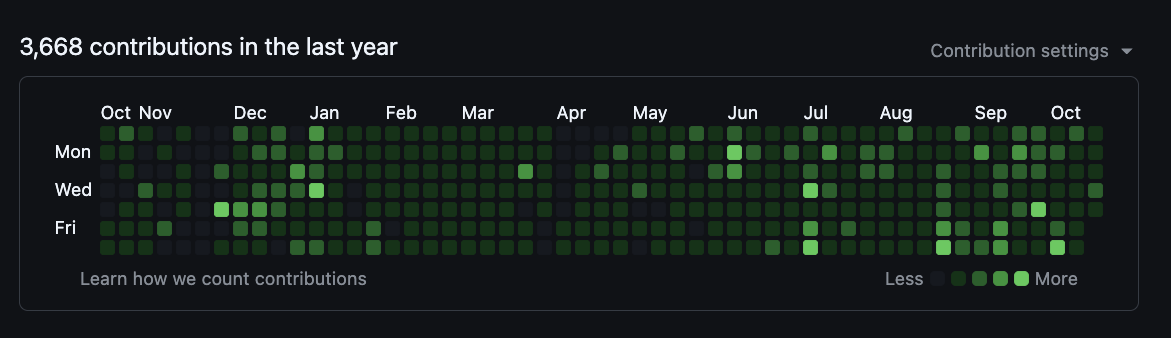
3,668 contributions in the last year, counting commits, PRs and issues.
Commits per month · 2,114 in the last year
The last four months hold 1,236 commits, 58% of the year.
repos ship with agent instructions in CLAUDE.md or AGENTS.md.
share the same skills, so a skill I write once works in all of them.
When I do a task twice, I write a skill for it. When something breaks twice, I add a gate.
My rule for working with agents.
Kamply · side project · kamplyapp.com
13 agents make the content, and a person approves each step.
Kamply is a Mac app that makes a brand's posts, reels and decks. Claude Code and Codex run inside it on the user's own subscription. Nothing gets published without a person's approval.
From one token file to a finished reel
brand/tokens.css
Built from a brand interview and a site scrape.
5 mirror files
Colors, fonts, motion and layout for code and 3D.
Crew of 13
Strategy, writing, visuals, sound, build, checks.
/new-post · /new-reel
Block off-brand work
Contrast, grid, clichés, slop, preflight.
Approves each step
Brief, plan and look each wait for a yes.
/approve-plan
Post, reel, deck
4:5 · 9:16 · 1:1 · 16:9
Nobody edits a hex value by hand. Change the token file and every post, reel and 3D scene updates.
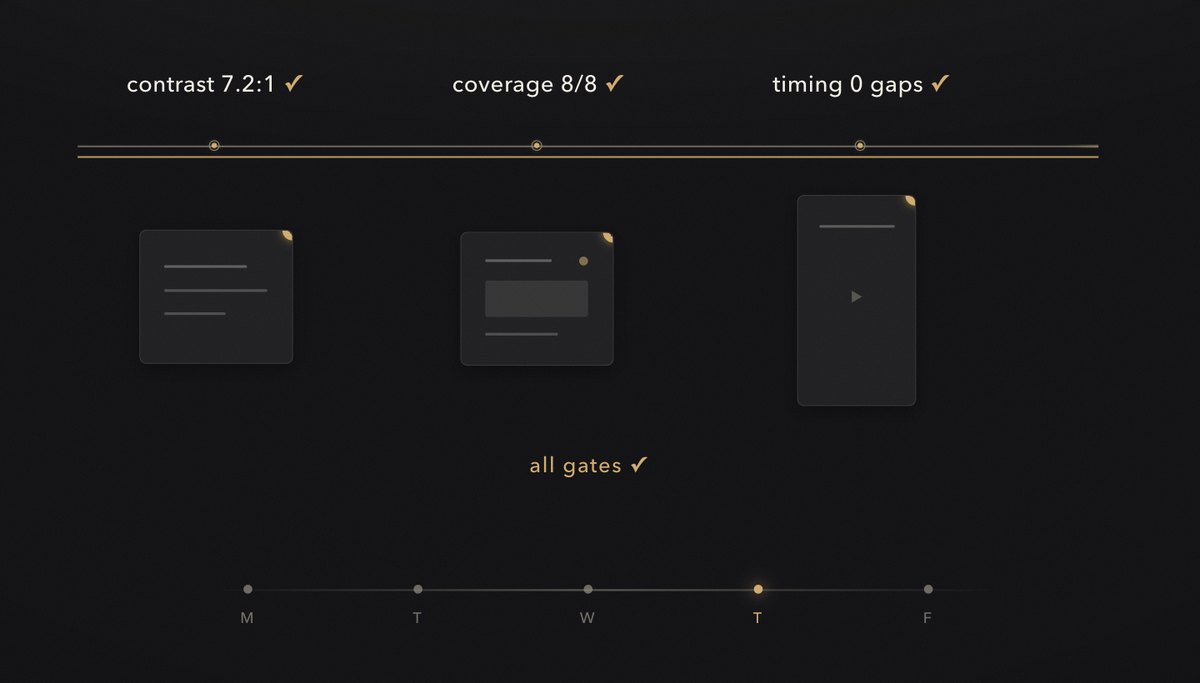
Why hooks
times the agent followed my copy rules while they lived in the prompt. So I moved every rule into a hook that blocks the write.
Seven gates
Hooks block off-brand work before a person sees it.
Built to run without me
- SETUP.md brands the repo, then installs the toolchain.
- CONTEXT.md defines post, slide, ratio and variant.
- A starter brand with neutral tokens, so a team never starts blank.
- smoke-test.sh goes from clone to first build with no keys.
Kamply so far
184 commits in 89 days. A new brand takes about 10 minutes to set up, and a 60-second reel takes about an hour, by my timing.
Tools for designers
Tools other designers use
figmaspecs.dev · open source
Turns Figma frames into specs for people and YAML for agents.
It keeps design-to-agent handoff on a token budget and ships a rules snippet for CLAUDE.md.
users · ~80k → ~20k tokens per handoff
swarm-brake · open source
Hooks that queue renders when RAM runs low.
For Claude Code and Codex. I built it in a day after parallel renders froze my 16 GB Mac.
lowest free RAM with 8 jobs at once
Observe.AI · internal
Figma plugins for the NAZCA design system.
Plugins and docs that took repeat work off designers and PMs and kept screens consistent.
saved across design and PM
Published · field guide
AI Designer Playbook
A guide to designing AI products, written from what I learned shipping AI features.
Marketing OS · GitHub template
One engine, two brand workspaces.
Clone it and run /setup-brand to get a workspace for the brand. Engine fixes reach every brand without touching brand files.
364 commits
112 decision records
Kamply
184 commits · 12 syncs
KamplyX
7 commits · 6 syncs
Engine updates
pulled into brand repos with no hand copying and 0 brand files touched.
Design prototype starter
Prototypes that follow the design system.
Every state lives at a URL: persona, scenario, data volume. ESLint blocks hardcoded colors and off-system sizes. 64 states per screen, 11 lint rules, 57 components, 25 skills and commands.
Landing page starter
Copy, rename, build.
Next.js 16, shadcn and GSAP set up with an empty page, so a new page starts at the design step.
At Razorpay I'd set this up on Blade: one shared engine, a repo per team, and fixes that reach all 60 designers.

"Any team would be lucky to have Akash. Whether it's 'vibe coding' to rapid-prototype ideas or supporting the dev team in the trenches, Akash is always on the frontline."
Albert WangSenior Product Design Leader
Observe.AI · 2023–25
AI analytics for contact centers, designed around evidence
Before I built agents, I designed AI products at Observe.AI. The hard problems were trust, evidence, and how people judge AI output.
faster time-to-insight with AskObserve and 30% more weekly active users
AskObserve · AI analytics copilot
Leaders used to wait days for an answer sampled by hand. Now every summary shows how many calls it rests on.
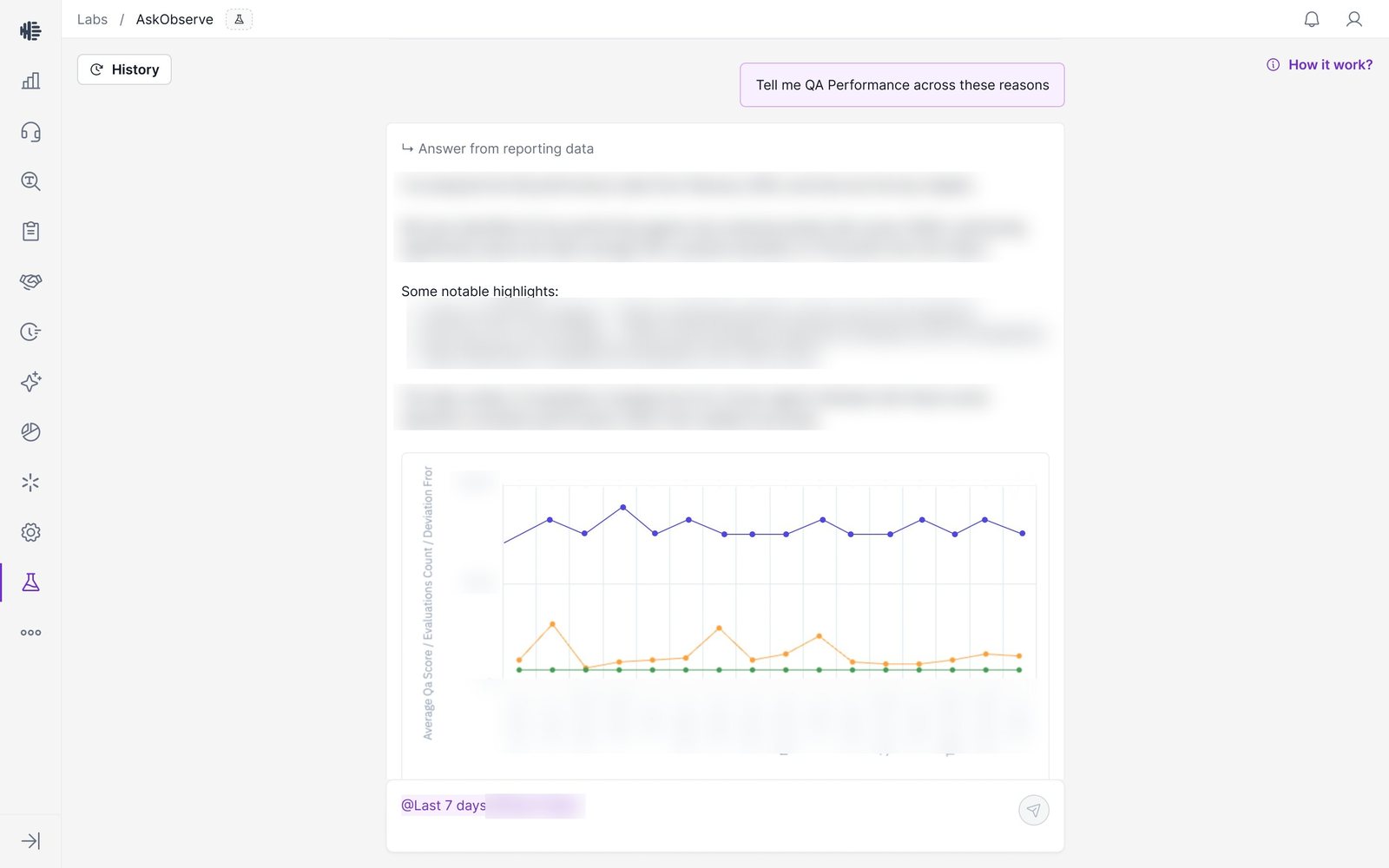
AskObserve runs over millions of contact-center calls. Customer data is blurred. I was the project's design lead, working with 1 PM, 1 engineering lead and 1 data science lead; the COO sponsored it.
Before
calls sampled by hand per question, taking 3–4 days to 2 weeks for one answer.
Three constraints, three decisions
Ask
Plain English, with suggested questions.
Insight
Summary plus a quantified theme table.
Evidence
Transcripts and interaction IDs.
Action
Track the theme, pin it, share it.
The AI answers, and the person checks the evidence and decides what to act on. Queries per active user went up 25%.
Insights platform
Root-cause analysis in place of static reports
Used by 10+ enterprise customers including SoFi, DoorDash and Asurion. As acting design lead I turned static reports into root-cause analysis that answers "why did this metric move?"
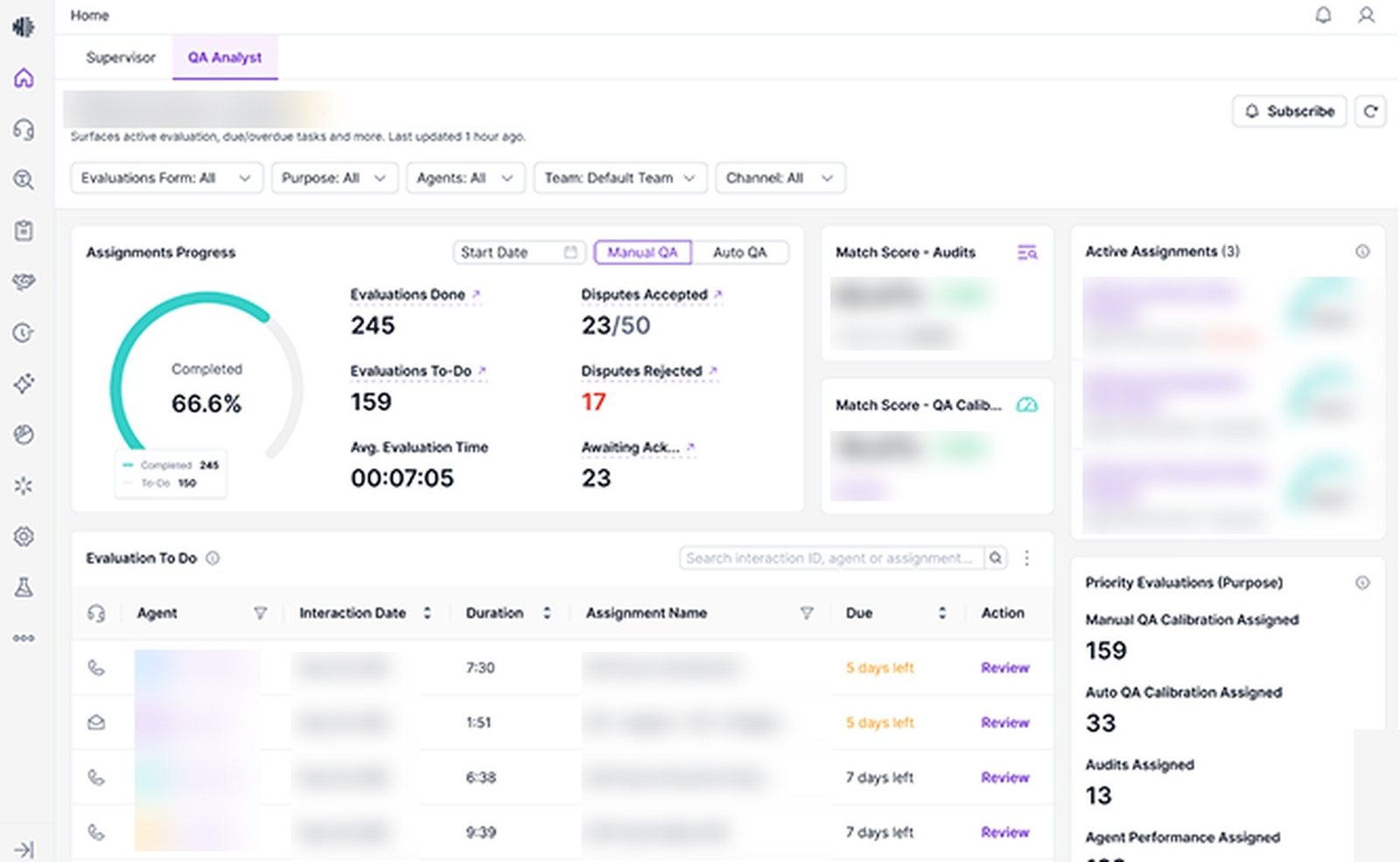
P1/P2 tickets in the 4 months before the redesign.
retention across 4 alpha customers. One asked for 3 more supervisor seats within 2 weeks.
usability sessions before any code.
AI Studio
I designed how people judge AI output.
Sample
A balanced mix of calls
Label
Reviewers agree or correct
Compare
Model labels against human labels
Find gaps
Where they disagree
Route the fix
Data, model, prompts or UX
Re-measure
Run the next sample
This repeats for every model version. If reviewers agree with each other but not with the model, we fix the model. If reviewers disagree with each other, the label is vague, and retraining won't help.
Model accuracy
at one large enterprise deployment. Human reviewers agreed ~96% of the time; the model matched ~70% at the start.
enrichment-setup completion.
auto-tagged calls.
NAZCA design system
One design system for every product squad.
The product qualified for the Forrester Wave. At Razorpay I'd do the same on Blade and make the shared components the easiest choice.
reuse of common patterns.
UI bugs per release.
"Akash consistently demonstrated exceptional ownership … I would jump at the chance to work with him again."
Bhasker SharmaProduct Design Director, Observe.AI · worked together for two years
2019 to 2023
Before Observe.AI
Bureau · 2022–23
First designer on an identity decisioning platform
A B2B no-code KYC workflow builder for India, the US and global markets. Product-led growth helped add $100k MRR.
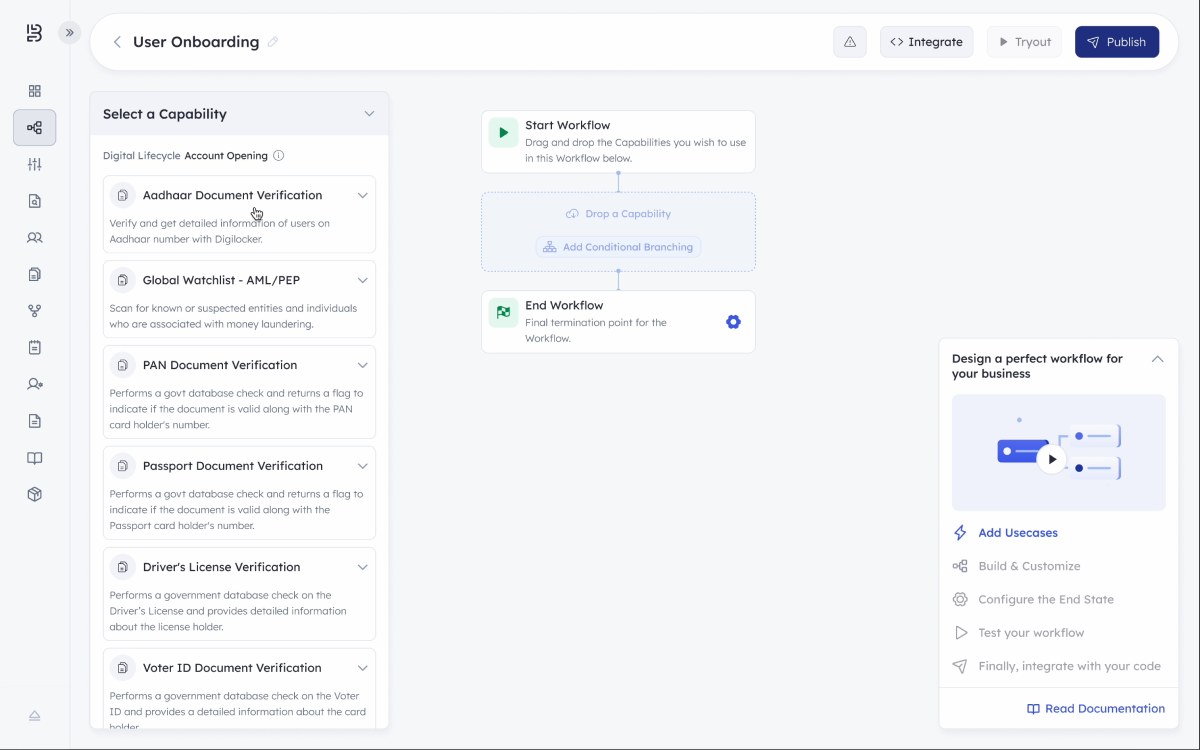
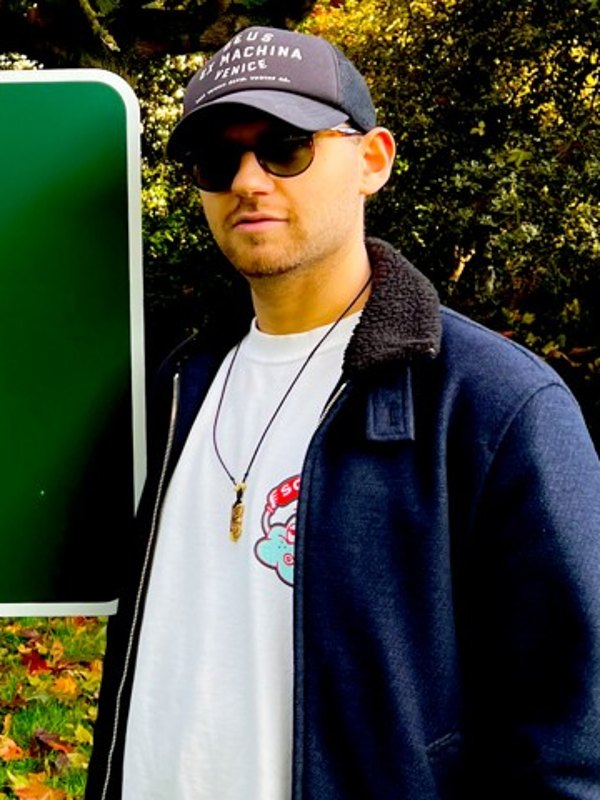
"Having a design thought leader join us early was crucial. He helped us design brand new features from scratch."
6 months · mobile app prototype
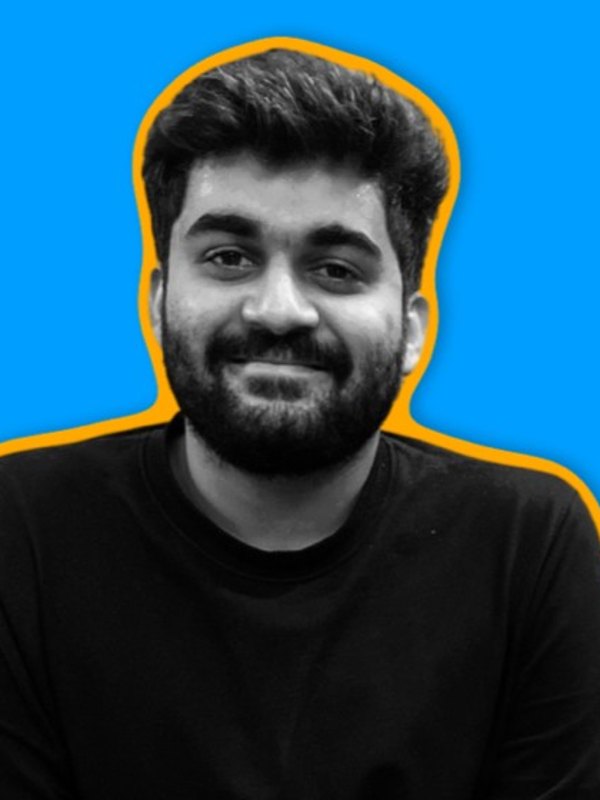
"His design helped boost our engagement … I would definitely recommend working with Akash."
Dybo.io website redesign

"Akash is an excellent designer who has guided me in my design process … detail-oriented, and very observant."
Mentoring · design projects
Who I am
My own setup runs on the same rules.
About me
My own Claude Code setup
Hooks I wrote that run in every session, for work and for life admin.
Blind-spot pass
Lists the risks I haven't named and ten places to step in, then waits for me to pick.
task-protocol.sh
Grill gate
No design or code until an agent has interviewed me and we agree on the plan.
grill-gate.sh
Context guards
Caps noisy shell output and reroutes big file reads, so long agent runs keep room in context.
bash-output-cap.sh · shunt-read-gate.sh
Daily digest on a Mac mini
Watchers run at 08:30, and a headless Claude session emails me the digest.
launchd · run_daily.py
My first 90 days at Razorpay
Learn where designers lose time, then build tools they run on their own.
Days 1–30
Sit with designers
- Spend a day with a designer from each pod and log where the hours go: specs, redlines, QA, research synthesis, copy.
- Rank the problems by hours lost times designers affected.
- Ship one small tool in week two so the team sees early proof.
Days 31–60
Build on Blade
- Make Blade's tokens and components the reference every agent builds against.
- Go from Figma frame to spec to coded preview, with every state at a URL.
- Add a design-QA gate in CI that flags drift from Blade before human review.
Days 61–90
Hand it over
- Package each workflow as a skill or command a designer runs alone, with a one-page guide.
- Run a weekly show-and-tell where I build in the open and demo what broke.
- Designers keep the design decisions; the agent runs the steps.
How I'd measure it
Hours saved
per designer, per week
Frame to production
cycle time, before and after
Design bugs caught
before human review
Weekly active designers
running the workflows alone
Contact
I'd like to help 60 designers work with agents.
I can walk you through any of this live: the Viven pipeline, the Kamply gates, or a workflow built on Blade.
How this website was made
This website and my resume came out of one Claude Code session.
Agents researched, built and checked the work, and I made the decisions. The numbers come from the session logs and include subagents.
Claude tokens, 96% cache reads
first prompt to deploy, 2.5h active
tool calls by Claude
subagents for research, writing and review
 Claude Code · Opus + Sonnet
 Figma MCP
 Python · Pillow
Playwright
agent-browser
Grok via Cursor CLI
 Netlify
 Cloudflare
Measured Oct 23 2026, 00:12 IST.